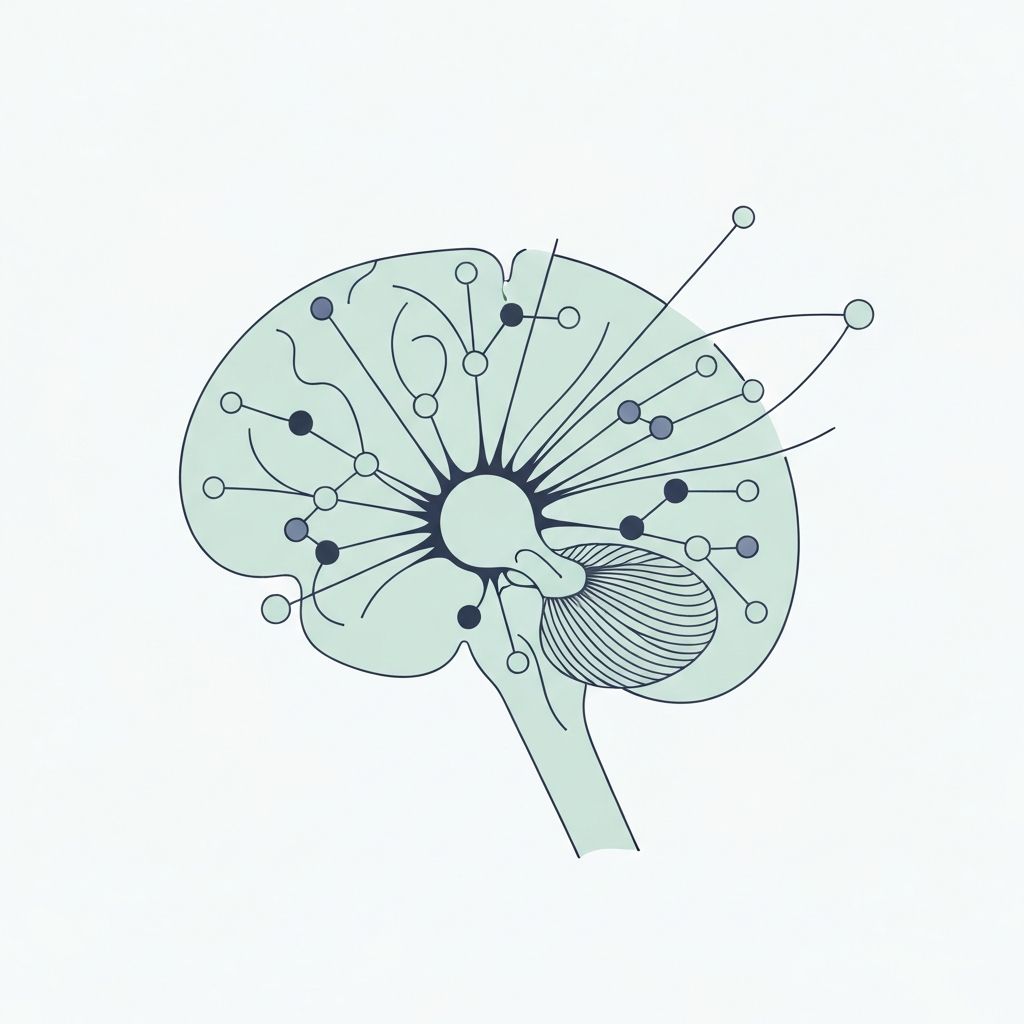
Dopamine and Opioid Systems in Sweet Taste Reward
Evidence-based exploration of neurochemical pathways
Overview
Sweet taste activates multiple neurochemical systems that contribute to the pleasurable sensation of eating sweet-tasting foods. Two particularly important systems are the dopamine reward pathway and the endogenous opioid system. Understanding how these systems interact provides insight into why sweet taste is inherently rewarding and how repeated exposure can influence craving intensity.
Dopamine and the Reward Pathway
Dopamine is a neurotransmitter associated with reward, motivation, and reinforcement learning. The dopamine reward pathway is activated when organisms encounter rewarding stimuli, including foods that taste good.
Key brain regions involved:
- Ventral Tegmental Area (VTA): Contains dopamine-producing neurons that release dopamine in response to reward-related cues and consumption
- Nucleus Accumbens: Receives dopamine signals and is central to processing reward and reinforcement
- Prefrontal Cortex: Integrates reward signals with decision-making and impulse control
- Amygdala: Associates emotional significance with reward-related stimuli
When sweet taste is experienced, dopamine is released in the nucleus accumbens, creating the sensation of pleasure and reinforcing the association between sweet taste and reward. This mechanism evolved to motivate seeking of energy-rich foods but can become exaggerated in environments where high-sugar foods are readily available.
Neuroadaptation and Dopamine Sensitivity
With repeated consumption of high-reward foods, the brain undergoes neuroadaptations that can alter dopamine system responsiveness. Research suggests that chronic high-sugar intake may lead to:
- Reduced dopamine receptor density: Fewer dopamine receptors in reward-responsive regions
- Decreased dopamine sensitivity: Reduced responsiveness to dopamine signals
- Enhanced cue reactivity: Increased dopamine response to food-related cues even without food consumption
These changes can intensify craving responses and make individuals less sensitive to the rewarding properties of less palatable foods.
The Endogenous Opioid System
In addition to dopamine, the body's natural opioid system—the endogenous opioid system—plays a significant role in the rewarding properties of sweet taste. Opioid receptors are distributed throughout the brain, with particularly high concentrations in reward-related regions.
Sweet taste stimulates the release of endogenous opioids (endorphins and enkephalins), which bind to opioid receptors and contribute to the pleasurable sensation of eating. This opioid-mediated pleasure is distinct from but complementary to dopamine-mediated reward, creating a multifaceted rewarding experience.
Interaction Between Dopamine and Opioid Systems
The dopamine and opioid systems interact in hedonic hotspots—specific brain regions where the two systems converge. In these regions:
- Opioids mediate the "liking" or pleasure sensation from sweet taste
- Dopamine mediates the "wanting" or motivation to seek the sweet taste
- Together, they create powerful reward signals that reinforce sweet-seeking behaviour
This dual-system activation means that sweet taste engages multiple motivational and reward pathways simultaneously, making the rewarding experience particularly potent.
Evidence from Research
Neuroimaging studies using PET and fMRI have demonstrated that:
- Sweet taste consumption activates nucleus accumbens dopamine release
- Individuals with higher obesity or greater sweet preference show heightened dopamine responses to sweet taste cues
- Opioid receptor antagonists (drugs that block opioid signalling) reduce the palatability and pleasure derived from sweet foods
- Chronic high-sugar consumption appears associated with reduced dopamine receptor availability
Implications for Understanding Craving
The activation of dopamine and opioid systems by sweet taste explains why cravings can be powerful and why the rewarding sensation of sweet food can be so compelling. The combination of pleasure (opioid-mediated) and motivation to seek (dopamine-mediated) creates a strong reinforcement signal that encourages repeated consumption.
Educational content only. No promises of outcomes. This material describes observed neurobiological phenomena and does not constitute medical or personal advice. Individual variations in dopamine and opioid system function are substantial. Consult qualified professionals regarding personal health matters.
Return to research articles:
← Back to Research Articles